

Best spots for rockfish (general guide) — with mid fall in mind 🦈🎣
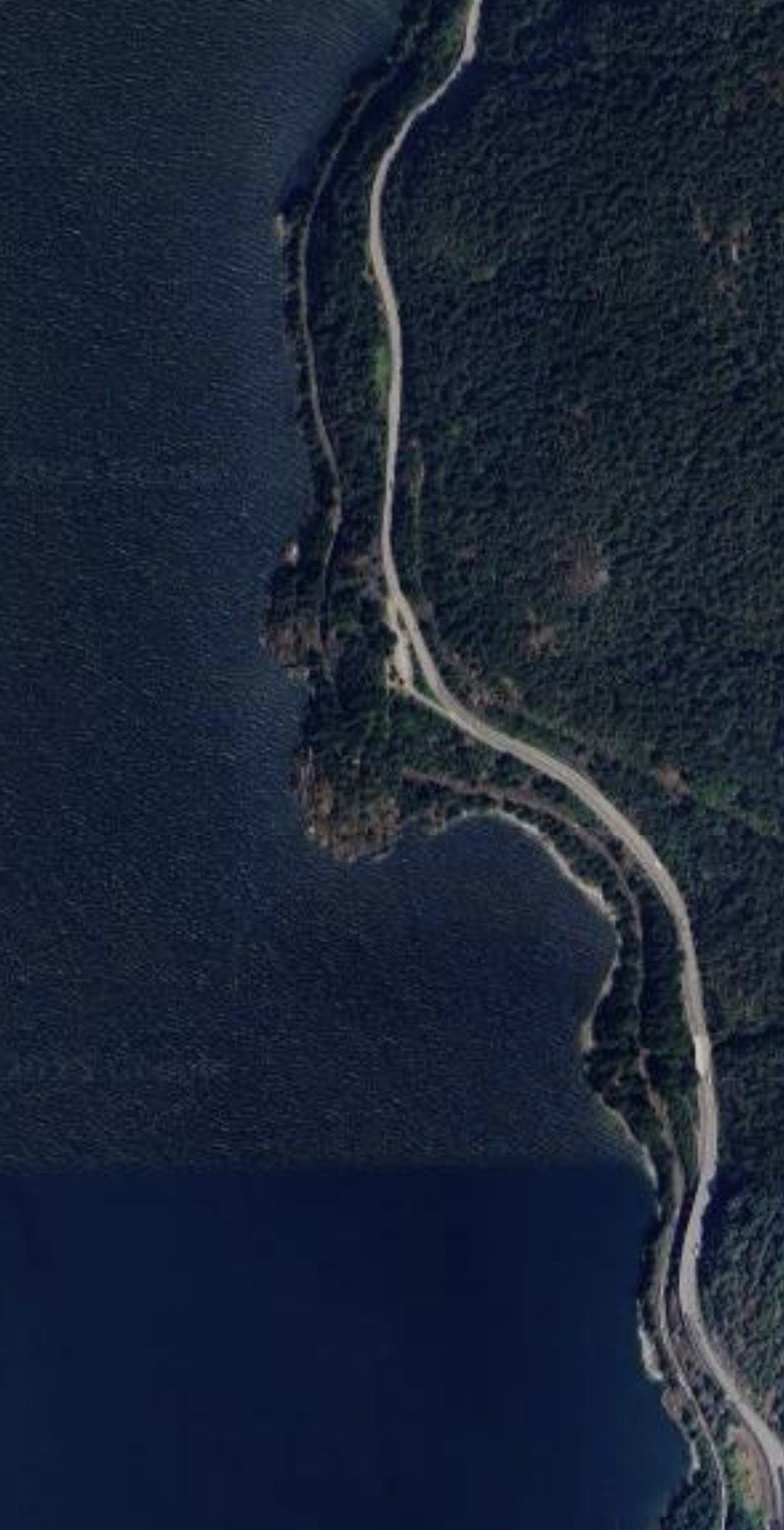
From your photo, you’re looking at a rocky coastline with a defined edge and likely offshore structure just beyond the visible rocks. Rockfish hold tight to rock piles, ledges, kelp beds, and reef edges. Here’s how to lock in the best spots and actually land the fish.
Where to look for rockfish spots
- Rocky ledges & shelves: Look for vertical drops, sharp edges, and underwater changes near shorelines. The edge of a reef or a kelp line is prime.
- Pinnacles & bumps: Isolated rocks or underwater bumps that rise from deeper water often hold big rockfish.
- Kelp beds near rock: Kelp provides cover and attracts bait; fish will lurk where kelp meets structure.
- Jetty/shoreline structure: If you have access to rocky jetties or breakwaters, those are classic rockfish magnets.
Note about the image: it shows a narrow coastal bluff with a road beside a rocky shoreline. The “edge” visible offshore could indicate deeper water just beyond a shallow rock wall—perfect for casting/vertical jigging near the bottom when tides and currents cooperate.
When to fish (weather/season: mid fall)
- Water temps drop, rockfish often move to deeper edges and bite more consistently during tide changes.
- Winds can push current against the rocks, turning the edge into a feeding lane. Cast along the edge and jig with the current.
- Daylight shortens; dawn/dusk can be particularly productive. Take a rain shell and warm layers—coastal fall weather can flip fast.
Gear & tackle (rockfish rig quick guide)
- Rod/reel: heavy rod (7–8 ft) with a sturdy reel, 30–50 lb braid setup, and a 20–40 lb fluorocarbon leader.
- Weights & rigs: 2–6 oz dropper/weight system for shallow edges; 6–16 oz for deeper ledges, with a bottom contact rig (bullets or egg sinker) plus a heavy hook setup.
- Lures vs bait:
- Lures: flutter/jig iron jigs 2–6 oz (or heavier for deep water), vertical jigging, slow yo-yo retrieves.
- Bait: live sardines, cut squid, or anchored squid strips are reliable.
- Terminal tackle: circle hooks (4/0–6/0) or large J-hooks, strong snaps, and a stout leader.
Pro tips:
- Start with a vertical jig down the edge; if you don’t get bites, switch to a steady bottom presentation with a live bait.
- Fish the current rather than against it—let the jig flutter with the tide and feel for a solid thump on the bottom.
- Drop your rig to the bottom, then lift slightly to feel for rocks, then drop back. Rockfish bite best when you’re in contact with the structure.
- Keep an eye on tides: incoming or outgoing tides usually produce the strongest pulls on the rocks.
Techniques that work
- Vertical jigging with flutter jigs: powerful in deeper water.
- Slow-pitch and yo-yo retrieves along the edge to provoke strikes from hiding fish.
- Bait rigs with a strong leader for stubborn fish that want to head for rocks.
Learn more and sharpen your game
- YouTube guides:
- Helpful gear/maps:
If you share your region (state or coast), I’ll pin down precise spots near you and tailor the rig and lure choices to the local rockfish behavior right now. Stay stoked, stay safe, and may your next drop land the big one! 🧭🎣


