You’re fishing a big, current-driven river, so when the Mohawk River drops low, the fish often get picky and concentrated — or they slide into the few places with enough depth, oxygen, and easy feeding lanes. Near Amsterdam, New York, a low water period usually means the best spots get even more important: bridge pilings, deeper seams, inside bends, submerged rock, eddies, lock/dam influence, and any soft edge near current. If you’ve been skunked twice, odds are the fish were simply not where you were casting, or the water was too skinny/clear/pressured for the presentation you used.
As the river starts rising again for summer, that can actually improve the bite if it’s not a blowout rise. A moderate rise often pushes food and bait into the river, creates new current breaks, and gives fish a reason to feed. The key is to watch for slight stain, steady flow increase, and a stable level for a day or two. A fast muddy surge is a different story — then the fish often tuck tighter to cover and want a slower, more bottom-oriented presentation.
What to target
- Seams and soft current edges where fast water meets slow water
- Deeper holes below riffles, bridge crossings, and bends
- Current breaks behind rocks, debris, and pilings
- Eddy lines on the inside of bends
- If there’s access near locks or dams, that’s often prime holding water
What to throw
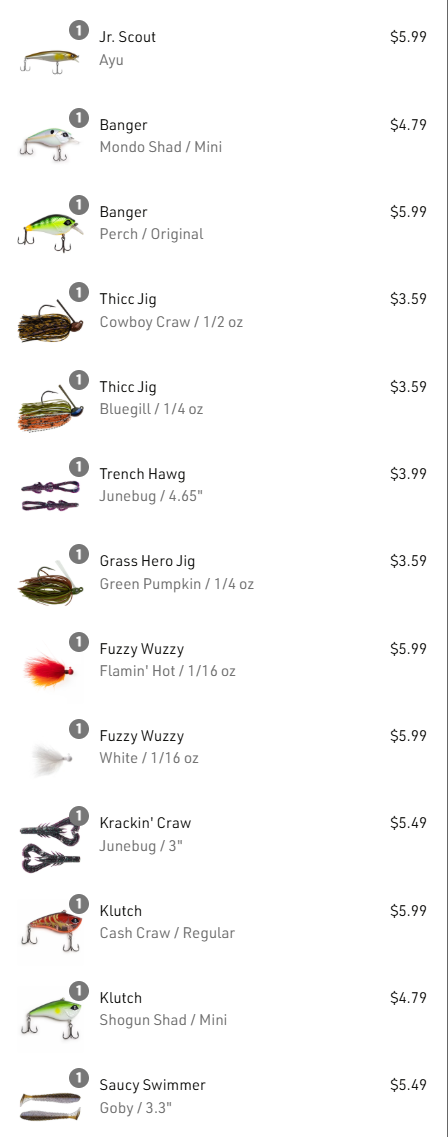
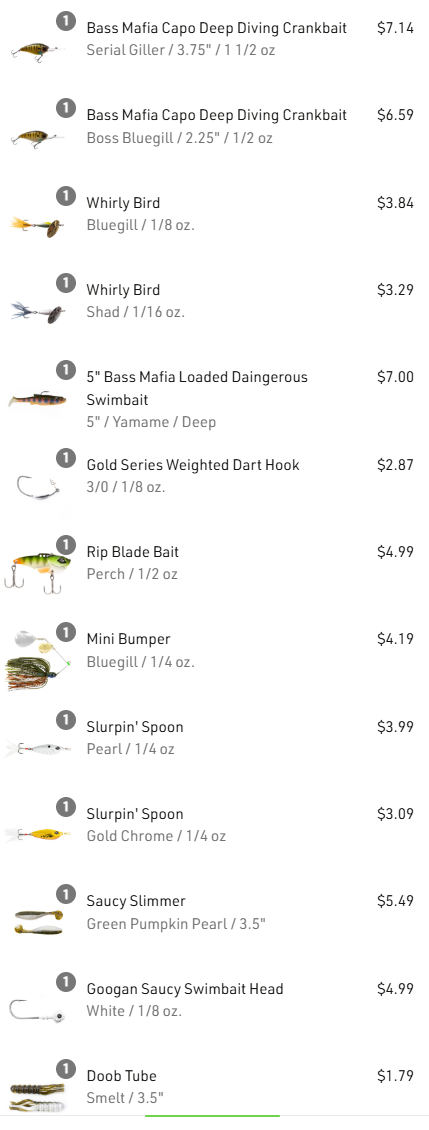
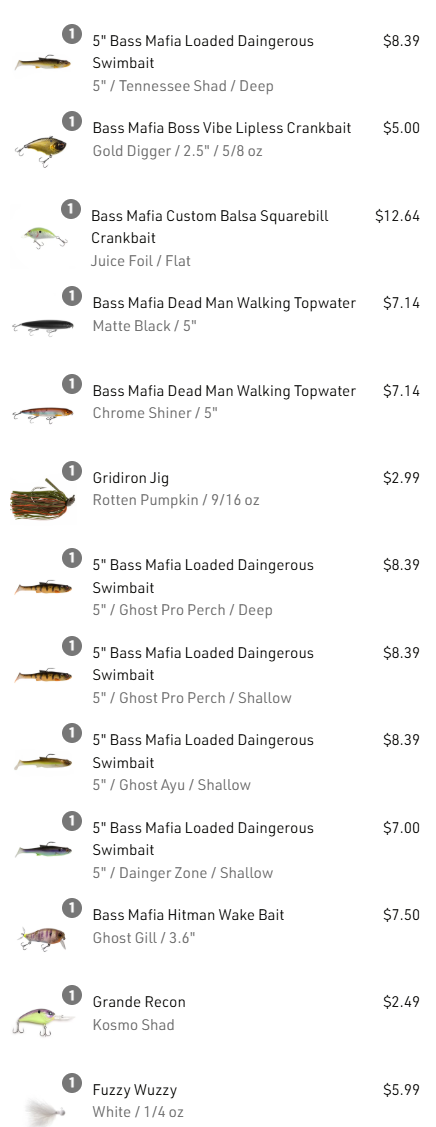
For a river like this, I’d lean on natural, compact baits and bottom-contact presentations:
- Jigs with minnows or soft plastics bounced slowly along bottom
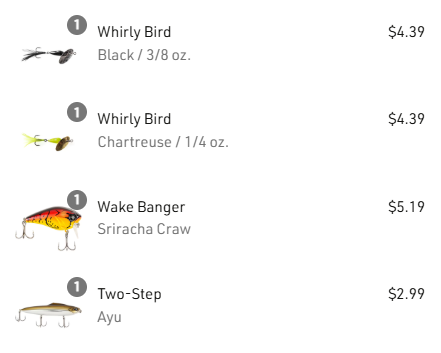
- Inline spinners or small spoons if the water has some color
- Live bait rigs with a minnow or worm if the current is moderate and fish are wary
- In low clear water, go smaller, more subtle, and more natural
A good starting approach is to fish upstream and let your bait drift naturally back through the seam. Don’t overwork it — river fish often want the bait to look like an easy meal getting swept by the current. If you’re wading or shore fishing, make long casts at a 45-degree angle and let the lure swing or drift through the strike zone.
Timing matters
In spring and early summer, the best windows are usually first light, last light, and cloudy, slightly breezy days. If the river is rising but not muddy, that’s a classic “check it now” signal.
One practical adjustment
If you’ve been fishing from the bank, try positioning yourself so you can reach the downstream side of structure — that’s where fish often rest and ambush. Also, if the water is low and clear, downsizing your line and hooks can make a big difference.
If you want, I can help you build a Mohawk River game plan by species — bass, walleye, pike, or catfish — and narrow it to the best rigs for the Amsterdam stretch. Tight lines 🎣