

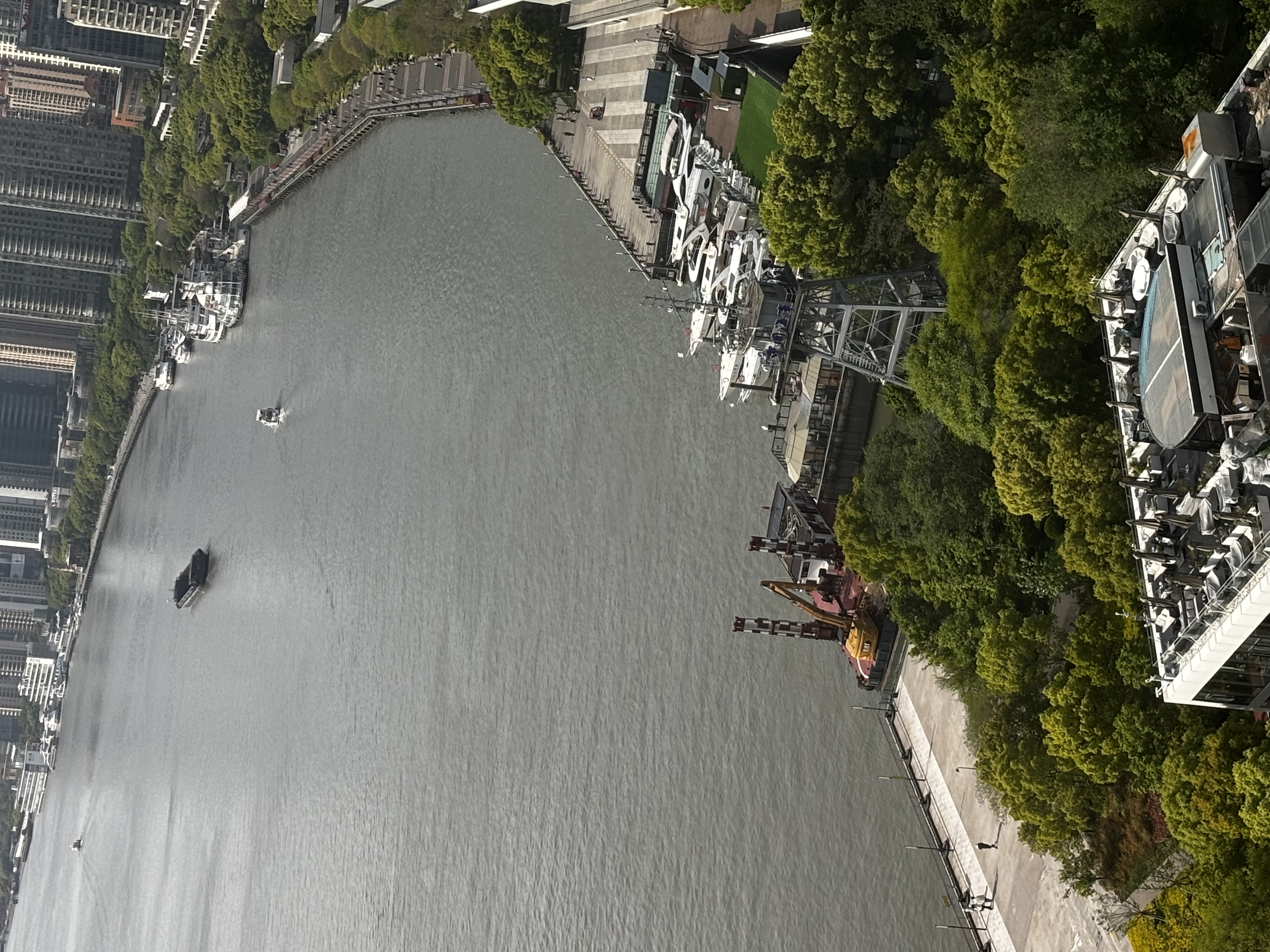
Nice shot of the riverfront rig. In mid-spring, bass (and many river fish) like to stack up where the water is moving, structure is present, and the water is slightly warmer. From the photo, you’ve got solid indicators of likely hotspots:
- Current seams around pilings and docks: The pilings along the right bank create shade and attract bait, so bass often sit just outside the main current where water velocity slows a bit. Cast to the base of the pilings and work a horizontal presentation along the edge.
- Drop-offs and ledges near bends: Look for the outside edge of bends where the channel drops off—these are prime ambush points as fish pull into warmer shallows on sunny days.
- Back eddies and slack water behind structures: The calmer water behind docks, seawalls, and rock groins holds bait and offers a safe haven for feeders during spring sun.
- Shoreline transitions and weed lines (if present): In clean urban rivers, you’ll often find fish staging along the transition from deeper water to shallower, sun-warmed zones close to shore.
- Mouths of feeder creeks or side channels: If there’s any tributary or flow change nearby, that is a natural bait magnet, especially in mid-spring when baitfish start schooling up.
What to throw and how to fish it:
- Start with a versatile, natural-pattern swimbait to probe the structure—the Real Fish 6.5" swimbait is a solid option for efficient, slow-rolling presentations near pilings and drop-offs. Real Fish 6.5" swimbait 🎯
- For bigger bites or tougher structure, a glide bait can entice heavier bass around the same spots. The Gan Craft Jointed Claw Super Magnum 303 Glide Bait is a standout choice. Gan Craft Jointed Claw Super Magnum 303 Glide Bait 🐟
- If you’re throwing heavier gear, pair a strong rod with a medium-heavy action to control big lures around pilings—think Defiance SG2 Medium Game for versatility. Defiance SG2 Medium Game
Retrieve and presentation tips:
- Start with a slow, steady roll along the edge of structure. If you get a bite, you’ll often feel a solid snap or see the line draw tight as the fish clamps on. If there’s no interest after 15–20 seconds, add a couple of slow twitches, then resume the glide.
- Vary depth and speed with the sun. In the early morning, try slightly deeper pockets; by late morning, creep shallower and work the same edges with shorter pops of the rod tip to mimic a fleeing baitfish.
- Use the current to your advantage. Cast upstream, then mend slack line as the lure drifts with the flow; a subtle bottom tick can trigger a bite when the lure brushes the edge of cover.
Extras:
- Stay aware of boats and pedestrians in the area. A quick lob to the safe side of pilings keeps your gear and others safe while you work the structure.
Bottom line: those pilings, the bendy edges of the channel, and any back-eddies near the docks are where the bass are most likely to be in mid-spring. Get your swimbait cruising those spots, and the bites will come. Good luck out there—tight lines and happy hunting! 🎣💪


